
When you start doubting your own reality in a relationship.
Trauma-informed online therapy for adults struggling with anxiety, self-doubt and the effects of emotional and narcissistic abuse.
Supporting clients across the UK.
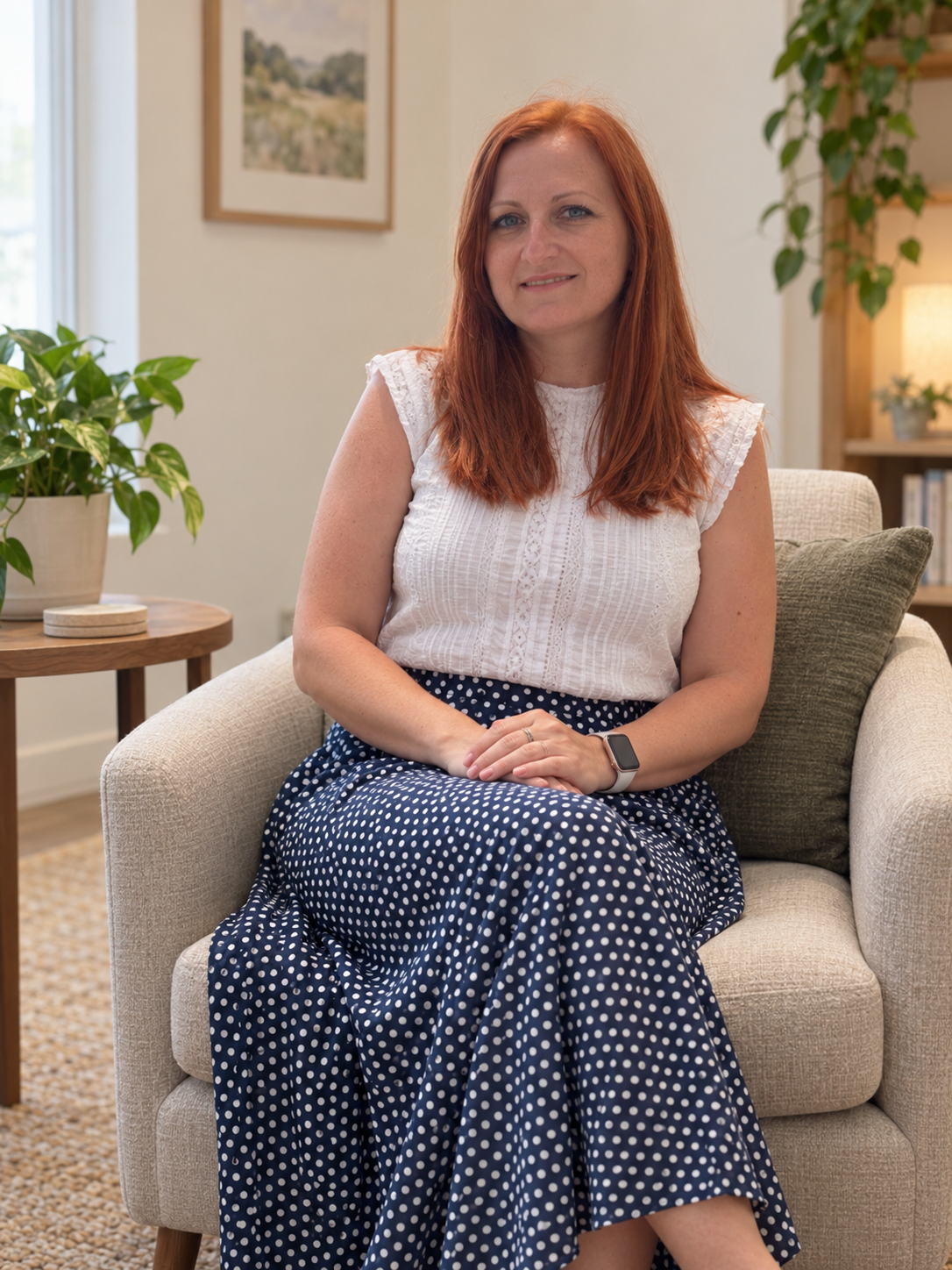
Hi, I’m Brigitta Rab.
I’m a BACP registered integrative counsellor, and my approach is trauma-informed.
I offer a calm, non-judgemental space where we can make sense of what you’re experiencing together.
We’ll work at your pace, with room to explore what matters to you, even if you’re not sure where to begin.

What we can explore together.
Difficult or abusive relationships
You may find yourself questioning your memory, feeling responsible for someone else’s reactions, or struggling to trust your own judgement. You might still love the person, feel unsure about leaving, or wonder whether what happened was abuse.
We can explore what you’ve experienced, how it has affected you, and what you need now. You don’t have to have everything worked out before starting therapy.
Alcohol or substances as ways of coping
Alcohol or substances may help you switch off, manage difficult feelings, or get through stressful periods. You might be concerned about your use, while also finding it difficult to imagine coping without it.
We can explore the role it plays in your life and work towards other ways of managing what feels difficult, without judgement.
Other areas
I also work with anxiety, depression, difficulties with emotional regulation, including those associated with ADHD, and the lasting effects of childhood experiences.
Therapy and fees.
Therapy sessions
Sessions take place online via Zoom, in a private and confidential setting. You just need a quiet space where you feel comfortable to talk.
We would meet at a regular weekly time, and sessions last 50 minutes. You’re welcome to share as much or as little as feels manageable at first—there’s no pressure to open up all at once.
Fees
£90 per session - 50 minutes
I do have a small number of sliding scale spaces available between £60–£75. Let me know what would feel manageable for you, and we can see what might work.
Client experiences.
“Brigitta is a fantastic therapist. She is calming, kind and listens no matter how much you need to speak. She offers great advice and has useful resources to look at outside of her sessions. She has helped me through a relationship with a narcissist and has truly helped me to keep going. Thank you”
"Working with Brigitta has been a transformative experience. Her empathetic approach made me feel comfortable from the very first session. With her guidance, I've developed coping strategies that have improved my anxiety. "